
Summit Programme
About
WHO Summit on Climate & Health Cork City, October 5th and 6th 2026
Please note, that this is a provisional program, with potential for minor changes in the timing and the format of the schedule.
All registered participants will receive a full, detailed programme, including all panelists and speakers, by mid-September.
Each panel will consist of four-six panelist and is made up of a Technical Expert, a politician, a community representative and a city-based practitioner on the topic from across Europe.
Day 0, Sunday, 4 October 2026
17:00-19:00 Welcome Reception with Lord Mayor of Cork
Venue: Atrium New Civic Offices, Cork City Council, Anglesea Street, Cork
Hosted by the Lord Mayor of Cork, Cllr Damian Boylan and Cork City Council to welcome participants to Cork ahead of the Summit.
Day 1, Monday, 5 October 2026
08:00-09:00 Registration
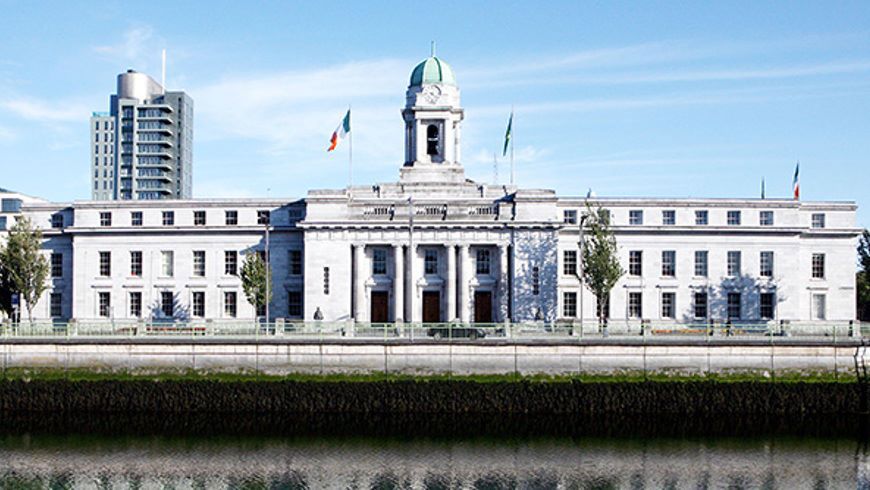
Venue: Main Foyer,City Hall,Terence Mac Swiney Quay,Cork City.
09:00–09:30 Welcome Coffee
Venue: Millennium Hall, City Hall
An informal opportunity to arrive, connect with fellow participants and prepare for the opening session.
09:30–10:30 Opening Session
Venue: Concert Hall, City Hall
To set the tone for the Summit, leaders will underscore the urgency of climate and health action and the role of cities in turning political commitment into practical change.
Speakers:
- Cllr Damian Boylan, Lord Mayor of Cork, Ireland
- Taoiseach, Micheál Martin TD, Prime Minister, Ireland;
- Ms Valerie O’Sullivan, Chief Executive, Cork City Council;
- Dr Natasha Azzopardi Muscat, Director of the Division of Health Systems, WHO Europe;
- H.E Katrín Jakobsdóttir, former Prime Minister of Iceland, Chair of the Pan-European Commission on Climate and Health (PECCH)
10:30-10:55 Group Photograph and Coffee Break
The official Summit photograph will be followed by a short networking and refreshment break.
11:00-12:00 Thematic Session 1: Active Cities for Healthier Lives
Venue: Concert Hall, City Hall
Transport choices shape the health of cities every day: the air people breathe, how safely they move, whether children can walk to school, whether older people and residents with disabilities can reach services, and whether neighbourhoods feel connected. This session will explore how cities are moving towards healthier, safer and more inclusive streets, with active travel as a practical way to address climate action and better health. Through examples of political leadership, city experience and community advocacy, the discussion will consider what it takes to make walking, cycling and public movement part of everyday life rather than a privilege for some neighbourhoods. It will look at the conditions that enable change, from protected infrastructure and safer speeds to public trust, partnerships, evidence, and sustained delivery. The session will invite reflection on how cities can build movement systems that are lower carbon, but also fairer, safer and more connected to the daily lives of residents.
The session brings together political, technical, community and practitioner perspectives.
- Milla Bruneau, Vice Chair of the City Board, Chair of the Vitality and Wellbeing Committee, Lahti, Finland;
- Kevin Fenton, Regional Public Health Director, London, United Kingdom;
- Eva Maaherra Lövheim, Urban Planner, Örnsköldsviks, Sweden;
- Dean Venables, Member of Cork Cycling Campaign, Cork, Ireland.
12:00-12:15 Creative Break
Venue: Concert Hall, City Hall
A short facilitated pause before the next thematic discussion.
12:15-13:15 Thematic Session 2: Healthy Homes for Stronger Communities
Venue: Concert Hall, City Hall
The homes people live in shape health long before they reach a clinic: whether they are warm, dry, affordable, safe and able to protect residents through seasons of heat, cold and rising energy costs. This session will explore how cities can strengthen the link between housing, energy and health, with a focus on practical action that reaches the households most at risk. Drawing on experiences from places working to improve housing quality, reduce fuel poverty and support cleaner, more efficient home energy, the discussion will consider how retrofit, standards for new housing, social protection and local delivery can work together rather than in isolation. It will also reflect on the human consequences of cold, damp or insecure housing, including respiratory illness, stress and mental wellbeing, and how healthier homes can strengthen communities by improving dignity, stability, and resilience. The session will invite reflection on how investment in housing and energy can be designed to reduce inequalities, protect vulnerable residents, and make healthier living conditions a foundation of climate action.
The session brings together political, technical, community and practitioner perspectives.
- Dagur B. Eggertsson, Member of Parliament, Former Mayor at The City of Reykjavik, Iceland;
- Brian Ó Gallachoir, Director, Environmental Research Institute, University College Cork, Ireland;
- Oliver Deasy, Community Energy Transition Advocate, Cork, Ireland;
- Emma Stubbs, Assistant Director Sustainable Homes Strategic Housing Authority, Northern Ireland Housing Executive;
- Ellie Cogan Lavelle, Youth Representative, YMCA Cork.
13:15-14:00 Lunch
Venue: Millennium Hall, City Hall
Lunch and informal networking
14:00 Site Visits (each participant will be assigned to one site visit at registration)
Site visits will run in parallel. Proceed to Registration area for directions
Departs 14:10 SHARP Transition to Páirc Uí Chaoimh, The Marina, Ballintemple, Cork
14:15–16:30 Council Session: Shaping the Cork Call to Action for Climate and Health
This closed session for politicians only will engage political representatives to review and comment on the Cork Call to Action for Climate and Health. Through facilitated and pre-registered interventions, participants will discuss the draft's ambition, relevance and practicality, identify shared priorities and strengthen the basis for adoption on Day 2.
This site visit is a dedicated visit for political representatives only, connecting Summit commitments to local action in Cork City.
This site visit offers a walking or cycling exploration of one of Cork’s most vibrant blue-green corridors, showcasing how greenways, play spaces, and biodiversity-rich environments can support active, healthy living.
Participants will experience how the Marina’s connected pathways and public spaces encourage sustainable mobility, recreation, and community use of the waterfront.
The visit also includes a unique cultural highlight at Páirc Uí Chaoimh (a stadium serving as the official home of Cork Gaelic Athletics Association), where participants will enjoy a live hurling demonstration, celebrating Ireland’s national sport and its strong links to community, identity, and wellbeing.
Together, this visit demonstrates how high-quality public space, sport, and nature can enhance health, connection, and place-making, creating inclusive environments that support both people and planet
Departs 14:10 SHARP Transportation to Site Visits
Proceed to Registration area for directions.
This visit showcases how a city centre street will be transformed into a people-centred, healthy and climate resilient place in partnership with the Go Green Next (EU Horizon) project. The visit will also afford an opportunity to visit the International Garden in Blackrock.
Starting with a visit to Cork Migrant Centre’s International Garden, delegates will learn how Sanctuary Catering, the Sanctuary Garden, and wider social enterprise initiatives play an important role in linking social inclusion with climate action in practical and socially inclusive ways. Back on Douglas Street, the Lantern Project will showcase the work, passions and music of their lifelong learners from their home in Nano Nagle Place.
Next door in UCC’s School of Architecture, Participants will explore plans for pedestrianisation, active travel, urban greening, and inclusive engagement, including a Virtual Reality experience and engagement with local businesses adopting sustainable practices.
A site visit to Mayfield and The Glen showcasing how community organisations, voluntary groups and service providers work together to promote healthier, more sustainable and resilient communities. In Mayfield, participants will visit an exhibition at Newbury House highlighting the wide range of community services, local partnerships and interagency collaborations that support social inclusion, culture, health and wellbeing.
In The Glen, participants will explore how food, health and environmental initiatives come together through community-led programmes, shared spaces, community gardening poly tunnels, outdoor water bottle refill stations, walking and cycling routes, and access to green spaces.
The visit demonstrates how integrated approaches to health, food and the environment can strengthen community wellbeing, encourage active lifestyles, and deliver meaningful outcomes for both people and place.
This site visit to Mahon showcases a neighbourhood-based approach to climate and health, bringing together retrofitting, active travel, and community growing.
Centred around Mahon Community Centre, Mahon Community Development Project (CDP), and the Community Garden, participants will explore how local initiatives are working to create healthier, more sustainable and inclusive places to live.
The visit highlights how energy- efficient housing, accessible walking and cycling routes, and shared green spaces can support low-carbon living, improved wellbeing, and stronger community connections. Through local action and partnerships, Mahon demonstrates how climate solutions can be embedded in everyday life, delivering benefits for both people and place.
This site visit to Ballyphehane and Togher will begin in the award-winning Togher Community Garden, a vibrant, community-led space that brings together people of all ages to engage in food growing, biodiversity, and environmental action. The garden demonstrates how local green spaces can support wellbeing, social connection, and climate awareness.
Participants will then be welcomed into the Ballyphehane Community Development Project that supports and empowers people of all ages. Visitors will find out about the Cork City Age Friendly EnergyCloud pilot project, an innovative initiative addressing energy poverty through the redistribution of surplus renewable energy.
The final stop on this tour brings delegates to the home of the Ballyphehane Community Association home of the Ballyphehane Sustainable Energy Community.
Together, these experiences highlight how climate action, social inclusion, and community development can work hand in hand—supporting vulnerable and older populations, improving health outcomes, and strengthening neighbourhood resilience. Ballyphehane and Togher provide a strong example of how local initiatives can build a fairer, low-carbon future rooted in people and place.
This site visit to Knocknaheeny offers a “talk-and-walk” experience through one of Cork’s most significant urban regeneration and retrofit programmes, led by strong community partnerships and local leadership.
Participants will explore the neighbourhood with Niche Community Project, visiting key community assets including the library, local streets, and community garden. Along the way, the visit highlights how regeneration is being shaped through community engagement, improved housing, and enhanced public spaces.
The experience will demonstrate how integrated investment in place, people, and social infrastructure can support health, wellbeing, and climate resilience, while strengthening a strong sense of community identity.
This site visit to Ballincollig explores how natural assets and community initiatives come together to support health, wellbeing, and climate action. Participants will visit Ballincollig Regional Park, experience community-led tree planting projects, and explore how green spaces are being enhanced to support biodiversity and active lifestyles.
The visit also includes the Biodiversity Hub, where creative practice and public engagement are used to connect people with climate and nature through workshops and participatory activities.
Together, these elements demonstrate how nature-based solutions, community involvement, and creative approaches can strengthen environmental awareness, social connection, and resilience at neighbourhood level.
This site visit to Blackpool offers a community-led exploration of urban regeneration, heritage, and the River Bride corridor. Participants will follow a local heritage trail, engaging with the area’s rich history while experiencing ongoing efforts to reimagine Blackpool as a more resilient and connected neighbourhood. The visit includes engagement with the local Community Development Project, the Community Centre and Library, and a visit to The Foyer food-growing social enterprise, which combines community employment, skills development, and sustainable food production.
Through these interconnected initiatives, the visit highlights how community action, social enterprise, and shared spaces can support inclusive regeneration, environmental improvement, and local resilience, strengthening both people and place.
Side Event: Horizon Europe FEAST Workshop
14:10 Depart on foot from the Foyer, Concert Hall, Cork City Council to Penrose Dock
13:45-16:30 A closed session running in parallel with the afternoon programme. More information to be provided by host.
16:30: Bus departs
16:45-18:00: Short site visit to St Luke’s Community Garden
19:30-21:30 Networking Dinner
Venue: Concert Hall, City Hall
Evening gathering with entertainment to continue conversations and connections
Day 2, Tuesday, 6 October 2026
09:00–10:30 Political Discussion: Advancing the Cork Call to Action for Climate and Health
Venue: Council Chambers, Cork City Hall
Elected representatives continue political dialogue ahead of the closing session.
(Runs in parallel with the Workshops below)
Building on the Council Session, this dedicated political dialogue will provide elected representatives with a space to continue discussions on the Cork Call to Action for Climate and Health and the broader role of political leadership in driving urban climate and health action. Political representatives will have the opportunity to deliver pre-registered interventions, share local experiences and priorities, and highlight innovative approaches from their cities and regions. The discussion will contribute to refining shared ambitions and fostering a collective political commitment ahead of the closing session.
09:00–10:30 Workshops
Workshops will run in parallel. Each participant will choose one at registration.
Location: Court Room 4, District Court Anglesea Street
Organiser: Lancet Europe Countdown
This interactive workshop explores how cities can use indicators to turn climate-health evidence into practical, locally relevant action. Drawing on data from the Lancet Countdown in Europe cities report and real-world experience from a European city, participants will examine how indicators can guide policy, investment and implementation. A scenario-based small-group exercise, focused on a challenge such as extreme heat, will support participants to identify priority interventions, address implementation barriers and apply evidence to decision-making. Designed for city leaders, coordinators, planners, public health professionals and other practitioners, the session will foster peer learning, collaboration and stronger city-level climate resilience.
Location: Board Room School of Music
Organiser: École des hautes études en santé publique (EHESP) and University of Turin
The session will explore how green spaces and nature-based solutions can support healthier urban planning while advancing climate mitigation and adaptation. It will introduce two practical decision-support tools for municipalities: a priority mapping method that combines climate hazard, exposure and vulnerability data to identify areas where nature-based solutions are most needed; and the My Green Space platform, which helps local authorities assess and strengthen the health-promoting potential of urban green spaces. Through hands-on testing, participants will consider how the tools could be applied in their own cities and share feedback based on their local contexts. The session offers an early opportunity to engage with these tools while they are being piloted through the Joint Action Prevent NCD, ahead of their planned release in 2027.
Location: UCC School of Business, 1, Lapps Quay Cork
Organiser: Public Health Scotland
The Place Standard Tool with a Climate Lens is a practical engagement tool that helps communities, practitioners and decision- makers explore how climate change and action shape the places where people live, work and spend time. Participants will explore how the tool brings communities, practitioners and decision-makers together to consider how climate change and proposed responses affect health, wellbeing, equity and everyday life. Through structured discussion and practical application, the session will help participants identify local strengths, challenges and priorities across adaptation, mitigation and wider place- making. It will provide a participatory approach for connecting community knowledge with decision-making and supporting healthier, fairer, more sustainable and climate-resilient places for all.
Location: Conference Room Cork District Court
Organiser: WHO European Healthy Cities Network, Scientific Committee
Cities are increasingly at the frontline of climate-related health challenges, yet much of the evidence informing climate and health policy is generated outside the settings where implementation actually occurs. At the same time, cities are producing valuable knowledge through policies, programs, community action and natural experiments, but this evidence is often insufficiently captured, evaluated or shared.
This workshop will explore how cities can become active producers - not only users - of climate and health evidence. Using a middle-out approach, the session will connect scientific evidence with political leadership, municipal practice and community knowledge. Participants will work with real city challenges to identify what evidence already exists, what knowledge gaps remain, and how local interventions can generate transferable learning. The workshop complements the Summit by moving from commitments towards implementation and learning. It will provide mayors, practitioners, researchers and partners with a practical approach for linking evidence, action and evaluation, while strengthening collaboration between cities and scientific institutions. The ultimate aim is to build a stronger evidence ecosystem in which knowledge flows both to cities and from cities.
Location: Court Room 5, District Court, Anglesea St
Organiser: Go Green Next Horizon Europe Consortium
One Health provides a framework for understanding the interdependence of human, animal and ecosystem health. At the city level, Planetary Health offers a practical pathway for implementing this framework by focusing on integrated, solution-oriented approaches that address urban challenges while delivering benefits for both people and the environment.
This workshop will explore how cities can apply Planetary Health principles to address interconnected challenges such as climate change, air pollution, biodiversity loss and environmental degradation. The approach places people and communities at the centre of urban transformation while recognising the importance of healthy ecosystems in supporting long-term health, wellbeing and resilience.
Participants will examine how co-creation, knowledge sharing, capacity building and inclusive engagement can support the design and implementation of effective local solutions. The workshop will also explore how behavioural science and participatory approaches can help strengthen the impact and uptake of city-led initiatives.
10:30–10:45 Move to Plenary Location
Transition between venues.
10:45–11:00 Welcome Coffee
Refreshments ahead of the plenary.
11:00–12:00 Thematic Session 3: Nourishing Communities for a Healthy Future
Venue: Concert Hall, City Hall
Food shapes health, climate and community life in ways that are visible in every neighbourhood: what is affordable, what is available, what is served in public institutions, and what choices communities are realistically able to make. This session will explore how cities can help create healthier and more sustainable food environments, especially for communities experiencing poverty, poor housing or limited access to fresh and nourishing food. Drawing on city leadership, food systems expertise and practical examples of local and institutional change, the discussion will consider how public procurement, community food initiatives, sustainable diets, local supply chains and reduced food waste can shift food systems from aspiration to everyday practice. It will also reflect the links between food, land use, climate resilience and the shared health of people, animals and ecosystems. The session will invite reflection on how cities can use their influence, purchasing power and partnerships to make healthy, sustainable food easier to reach, more trusted and more fairly available across communities.
The session brings together political, technical, community and practitioner perspectives.
- Dr Cemil Tugay, Mayor, Izmir Turkiye
- Anant Jani, Academic and Researcher, Oxford, United Kingdom
- Peter Defranceschi, Head of ICLEI Brussels Office and Global CityFood Programme
- Maria Young, Green Space for Health, Cork, Ireland
- Carina Woollhead, Specialkonsulent, Guldborgsund, Denmark
12:00–12:15 Break
Short transition and break
12:15–13:15 Thematic Session 4: Nature-Positive Cities
Venue: Concert Hall, City Hall
Nature is one of the most powerful forms of health infrastructure a city can invest in: cooling streets, absorbing floodwater, cleaning air, supporting biodiversity, and creating places where people can move, rest and connect. This session will explore how cities can protect and restore nature as an essential infrastructure for healthier, more resilient communities. Drawing on city leadership, ecological expertise and practical experience, the discussion will consider how nature-based solutions, biodiversity recovery, community stewardship and more equitable access to high-quality green and blue space can deliver benefits in every neighbourhood. It will also reflect the links between nature, mental wellbeing, climate resilience, and the shared health of people, animals, and ecosystems, while keeping attention on the communities that currently have the least access and the greatest need. The session will invite reflection on how cities can make nature-positive action measurable, inclusive, and embedded in the everyday systems that shape urban life.
The session brings together political, technical, community and practitioner perspectives.
-Ingvill Dalseg, County Councillor, Trøndelag, Norway
-Ricardo Rego, City Councillor, Viana do Castelo, Portugal
-Francesca Racioppi, Head of Office at WHO European Centre for Environment and Health, Bonn, Germany
-Mathilde Meynieu, Chargée de mission développement des CLSM (Conseils Locaux de Santé Mentale), France
-Tony Holohan, Physician and former Chief Medical Officer of Ireland, Director of One Health Centre, University College Dublin
13:15–14:15 Lunch
Lunch and informal networking.
14:15–15:45 Collective Pledge: The Cork Call to Action for Climate and Health
Venue: Concert Hall, City Hall
The Summit will conclude its political programme through formal support of the Cork Call to Action for Climate and Health. The session will affirm the shared direction shaped through the Summit and invite endorsing political representatives to demonstrate their support.
The session will include reflections from two youth representative keynote speakers.
Professor Sir Andrew Haines, Scientific Lead Pan Europena Commission on Climate & Health
Zara Harrington, Youth Representative, YMCA Cork
Isa Reen, Youth Representative YMCA Cork
15:45–16:00 Closing Ceremony
Venue: Concert Hall, City Hall
Closing reflections will draw together the Summit's key messages, acknowledge partners and participants, and conclude with a group photograph.