
Site Visits
Neighbourhood Insights to Climate & Health
Together, these visits demonstrate how Cork City is advancing a whole-of-system Healthy Cities approach, where:
- People are at the centre of policy and design.
- Place shapes health and wellbeing outcomes.
- Participation drives co-creation and empowerment.
- Planet actions support climate and biodiversity.
- Prosperity links sustainability with inclusive growth.
- Peace promotes equity, inclusion, and social cohesion.
- Preparedness strengthens resilience to future challenges.
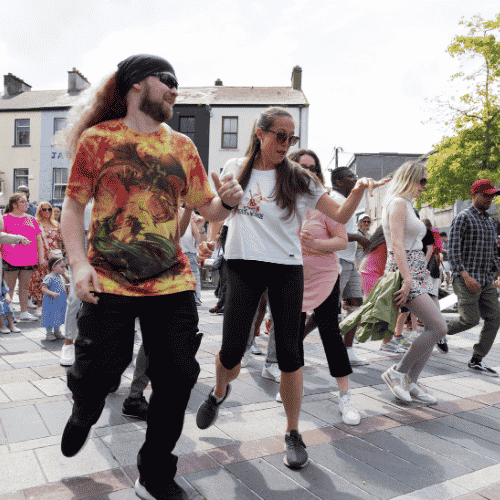
Neighbourhood Approaches to Climate & Health in Cork City
For the afternoon site visits, participants will take part in neighbourhood walks across communities in Cork City, offering an opportunity to explore how climate and health challenges are being addressed at the local level. Participants are invited to explore neighbourhoods in Cork City as a living laboratories of climate action and health actions that impact social wellbeing delivered through place-based, community-led approaches.
These immersive visits will provide an opportunity to engage with local leaders, communities, and practitioners working at the intersection of climate and health. Each neighbourhood will showcase real-life examples of community-led and city-supported initiatives relating to active travel, sustainable food systems, housing, energy efficiency, green infrastructure, climate resilience, and healthy place-making.
Through direct engagement with local projects, residents, and practitioners, participants will gain practical insights into how integrated climate and health actions can create more sustainable, resilient, and healthier neighbourhoods for all.
Douglas Street and Douglas
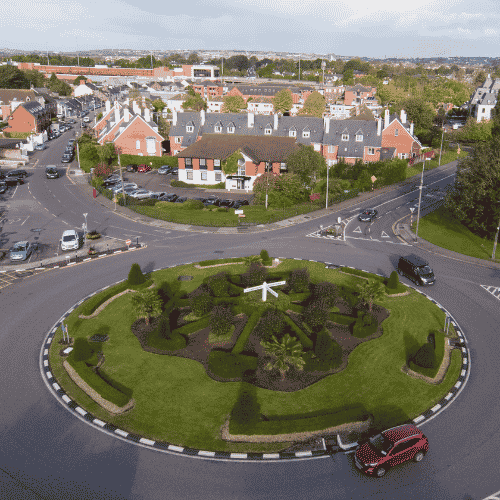
A visit to Douglas Street will showcase how a city centre street will be transformed into a people-centred, healthy and climate resilient place in partnership with the Go Green Next (EU Horizon) project.
Participants will explore plans for pedestrianisation, active travel, urban greening, and inclusive engagement, including a Virtual Reality experience, engagement with local businesses adopting sustainable practices and a visit to a community supported biodiversity project at Páirc Eoin. Cork Migrant Centre will present on how Sanctuary Catering, the Sanctuary Garden, and wider social enterprise initiatives play an important role in linking social inclusion with climate action in practical and socially inclusive ways.
The visit to Douglas will demonstrate how nature, active travel, and community life intersect. Participants will visit Douglas Community Garden and connected active travel routes linking Tramore Valley Park and Nemo Rangers. The visit highlights how green spaces and sustainable mobility can support biodiversity, improve air quality, and promote healthier lifestyles, while also strengthening community cohesion and local engagement.
Mayfield and The Glen
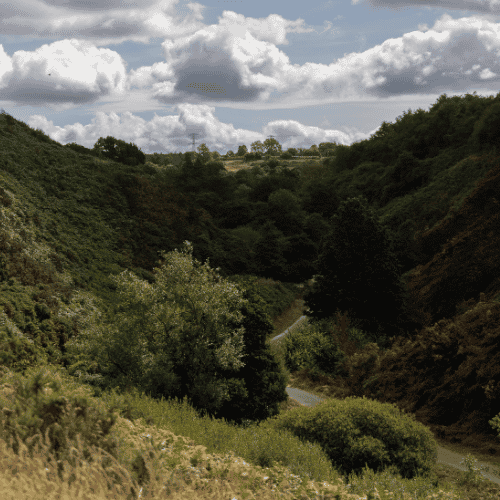
A site visit to Mayfield and The Glen showcasing how community organisations, voluntary groups and service providers work together to promote healthier, more sustainable and resilient communities. In Mayfield, participants will visit an exhibition at Newbury House highlighting the wide range of community services, local partnerships and interagency collaborations that support social inclusion, culture, health and wellbeing.
In The Glen, participants will explore how food, health and environmental initiatives come together through community-led programmes, shared spaces, community gardening poly tunnels, outdoor water bottle refill stations, walking and cycling routes, and access to green spaces. The visit demonstrates how integrated approaches to health, food and the environment can strengthen community wellbeing, encourage active lifestyles, and deliver meaningful outcomes for both people and place.
Mahon
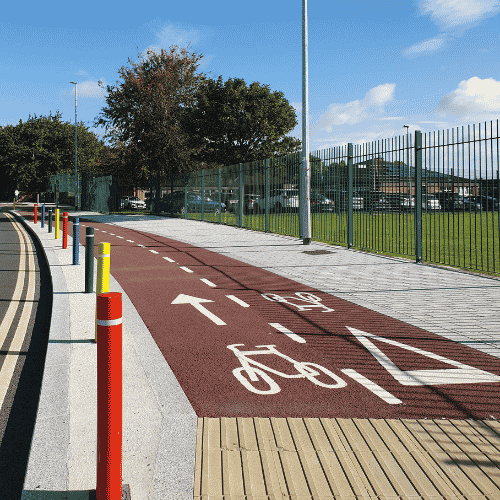
This site visit to Mahon showcases a neighbourhood-based approach to climate and health, bringing together retrofitting, active travel, and community growing.
Centred around Mahon Community Centre, Mahon Community Development Project (CDP), and the Community Garden, participants will explore how local initiatives are working to create healthier, more sustainable and inclusive places to live. The visit highlights how energy-efficient housing, accessible walking and cycling routes, and shared green spaces can support low-carbon living, improved wellbeing, and stronger community connections. Through local action and partnerships, Mahon demonstrates how climate solutions can be embedded in everyday life, delivering benefits for both people and place.
Togher and Ballyphehane
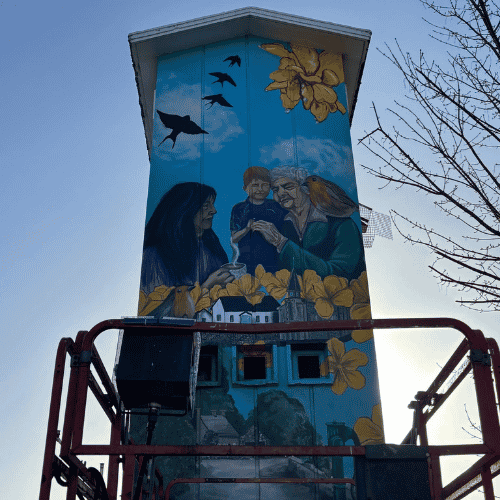
This site visit to Ballyphehane and Togher explores EnergyCloud, an innovative initiative addressing energy poverty through the redistribution of surplus renewable energy.
Participants will also visit the award-winning Togher Community Garden, a vibrant, community-led space that brings together people of all ages to engage in food growing, biodiversity, and environmental action. The garden demonstrates how local green spaces can support wellbeing, social connection, and climate awareness.
Together, these experiences highlight how climate action, social inclusion, and community development can work hand in hand—supporting vulnerable and older populations, improving health outcomes, and strengthening neighbourhood resilience. Ballyphehane and Togher provide a strong example of how local initiatives can build a fairer, low-carbon future rooted in people and place.
Knocknaheeny
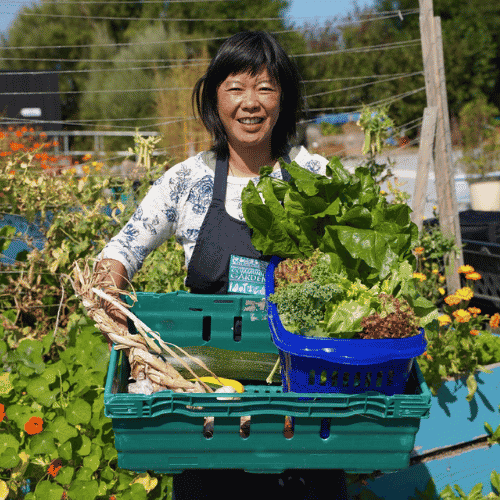
This site visit to Knocknaheeny offers a “talk-and-walk” experience through one of Cork’s most significant urban regeneration and retrofit programmes, led by strong community partnerships and local leadership.
Participants will explore the neighbourhood with Niche Community Project, visiting key community assets including the library, local streets, and community garden. Along the way, the visit highlights how regeneration is being shaped through community engagement, improved housing, and enhanced public spaces.
The experience will demonstrate how integrated investment in place, people, and social infrastructure can support health, wellbeing, and climate resilience, while strengthening a strong sense of community identity.
Ballincollig
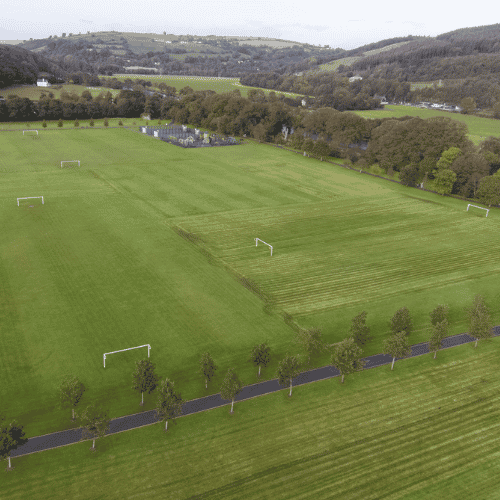
This site visit to Ballincollig explores how natural assets and community initiatives come together to support health, wellbeing, and climate action. Participants will visit Ballincollig Regional Park, experience community-led tree planting projects, and explore how green spaces are being enhanced to support biodiversity and active lifestyles. The visit also includes the Biodiversity Hub, where creative practice and public engagement are used to connect people with climate and nature through workshops and participatory activities.
Together, these elements demonstrate how nature-based solutions, community involvement, and creative approaches can strengthen environmental awareness, social connection, and resilience at neighbourhood level.
Blackpool
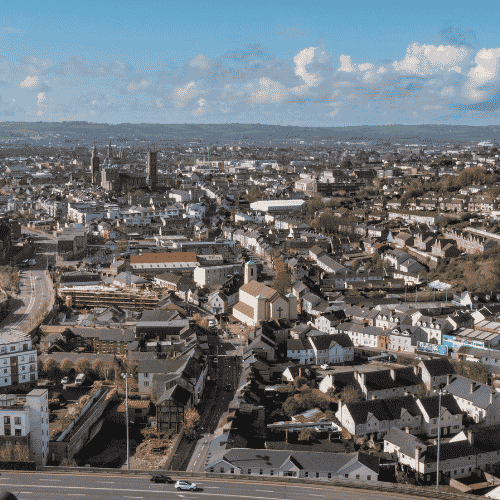
This site visit to Blackpool offers a community-led exploration of urban regeneration, heritage, and the River Bride corridor. Participants will follow a local heritage trail, engaging with the area’s rich history while experiencing ongoing efforts to reimagine Blackpool as a more resilient and connected neighbourhood. The visit includes engagement with the local Community Development Project, the Community Centre and Library, and a visit to The Foyer food-growing social enterprise, which combines community employment, skills development, and sustainable food production.
Through these interconnected initiatives, the visit highlights how community action, social enterprise, and shared spaces can support inclusive regeneration, environmental improvement, and local resilience, strengthening both people and place.
The Marina
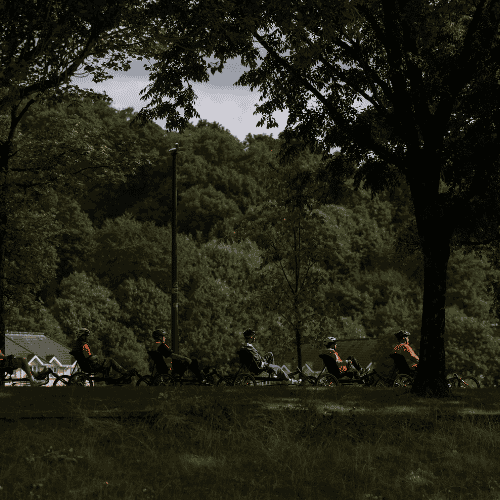
This site visit to The Marina offers a walking or cycling exploration of one of Cork’s most vibrant blue-green corridors, showcasing how greenways, play spaces, and biodiversity-rich environments can support active, healthy living.
Participants will experience how the Marina’s connected pathways and public spaces encourage sustainable mobility, recreation, and community use of the waterfront. The visit also includes a unique cultural highlight of Páirc Uí Chaoimh, and opportunity to experience the rich sporting heritage of Cork and gain insight into the history, culture and community impact of the Gaelic Athletic Association celebrating Ireland’s national sport and its strong links to community, identity, and wellbeing.
Together, this visit demonstrates how high-quality public space, sport, and nature can enhance health, connection, and place-making, creating inclusive environments that support both people and planet.